
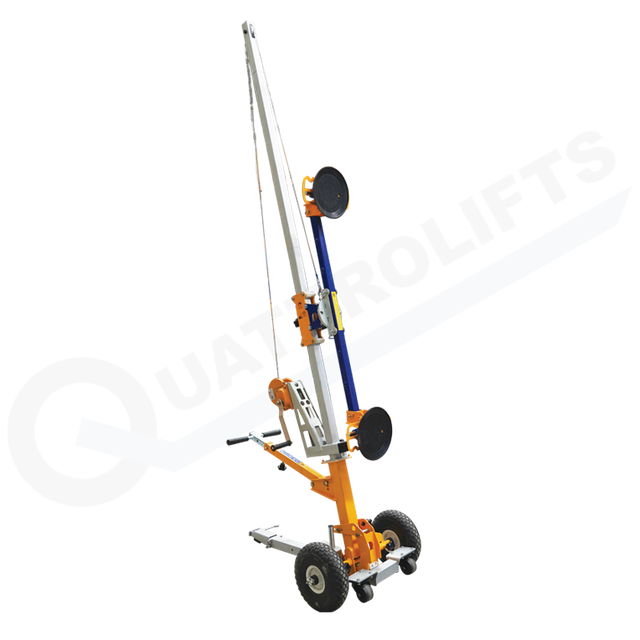
Express
Express 330T
Lifting Capacity
330 lbs
Use Case
On-site
Drive
Manual
Max Glass Size
144" x 60"
View Details
Quattrolifts — Since 2006
The Quattrolifts glass vacuum lifter range covers all glass lifting equipment needs: lightweight glass lift units and battery glass lifters for on-site glazing, plus robotic glass manipulators for curtain wall and facade. 22 machines from 330 lb to 1,800 lb, trusted by professionals in 20+ countries.
Comparing options? See how Quattrolifts compares to SmartLift.
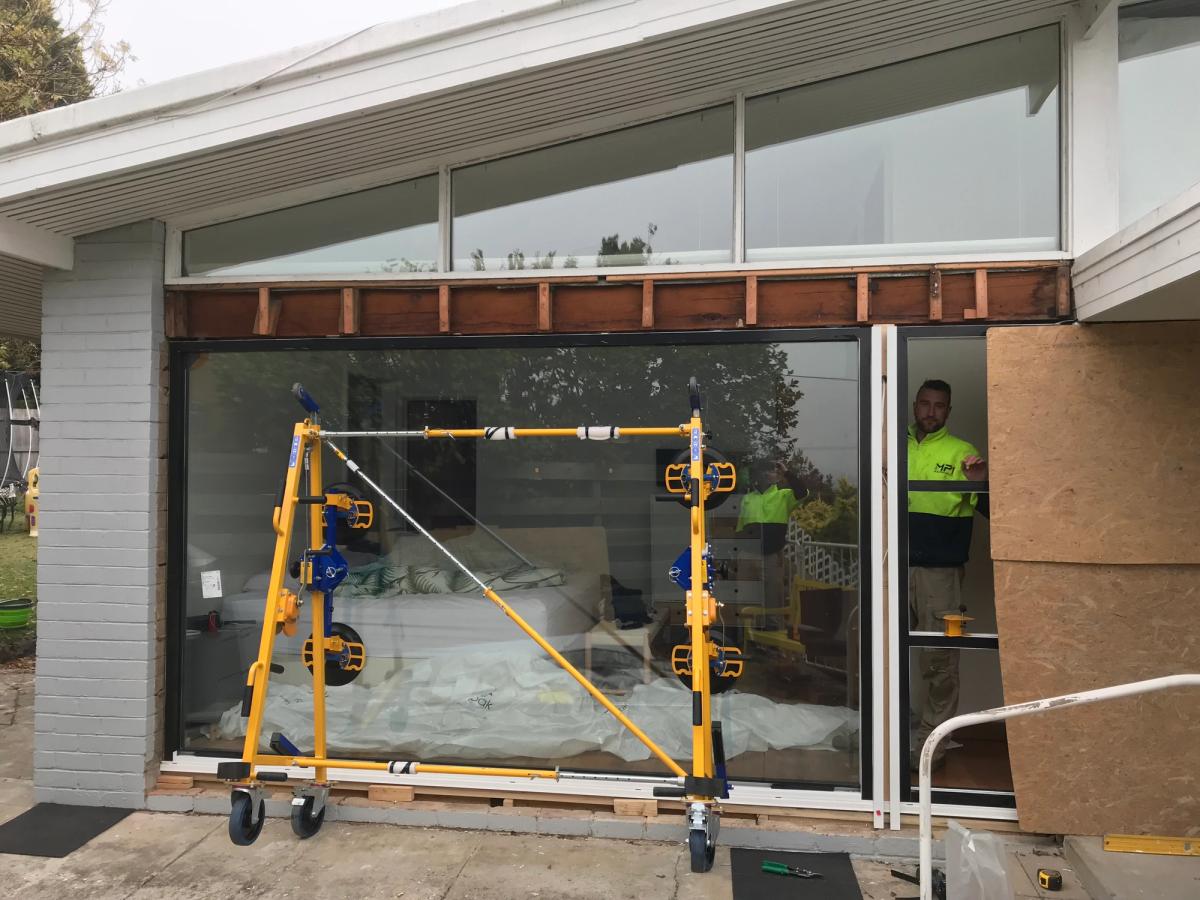
Quick Pick
Four buyer scenarios cover roughly 90% of glazing projects. Pick the one that matches your job and we will point you at the right range.
Single-operator glazier installs up to 770 lb (350 kg). Stairs, doorways, residential and storefront glazing.
Express RangeFixed-workstation handling in fabrication shops, 660 to 1,320 lb (300 to 600 kg). Crane alternatives.
Mule & GlassboyBattery-electric robotic lifters for curtain wall, facade, and off-road jobsites up to 1,800 lb (820 kg).
Vector RangeNo-setup attachment that rides to site on a forklift, then handles 1,200 to 1,800 lb (545 to 820 kg) panels.
Omni RangeThe Range
Every Quattrolifts machine listed below is built to handle flat glass. Pick by capacity, drive type, or use case — then book a quote or compare specs side-by-side.
Express
Lifting Capacity
330 lbs
Use Case
On-site
Drive
Manual
Max Glass Size
144" x 60"
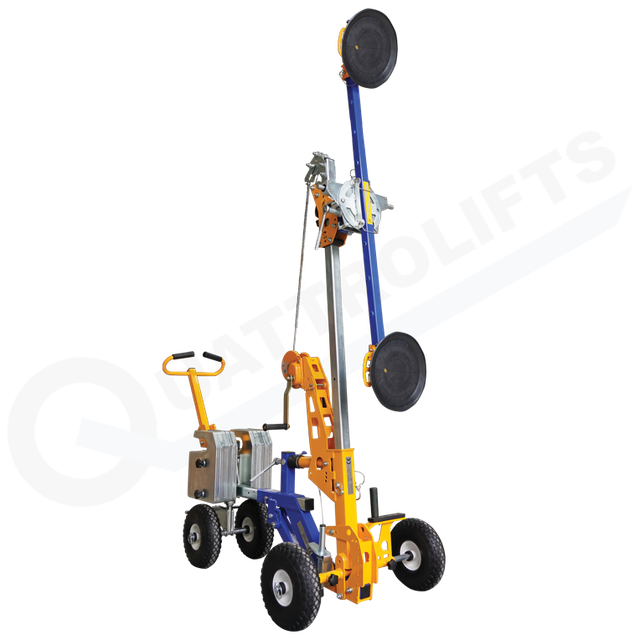
Express
Lifting Capacity
440 lbs
Use Case
On-site
Drive
Manual
Max Glass Size
144" x 59"
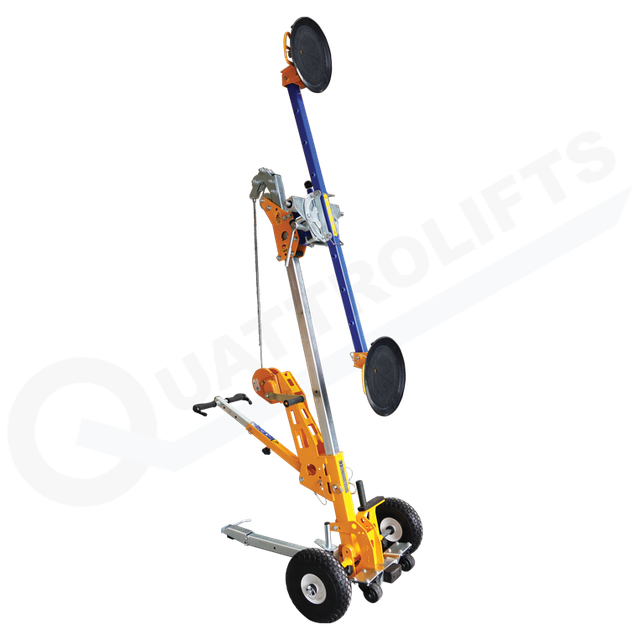
Express
Lifting Capacity
440 lbs
Use Case
On-site
Drive
Manual
Max Glass Size
144" x 59"
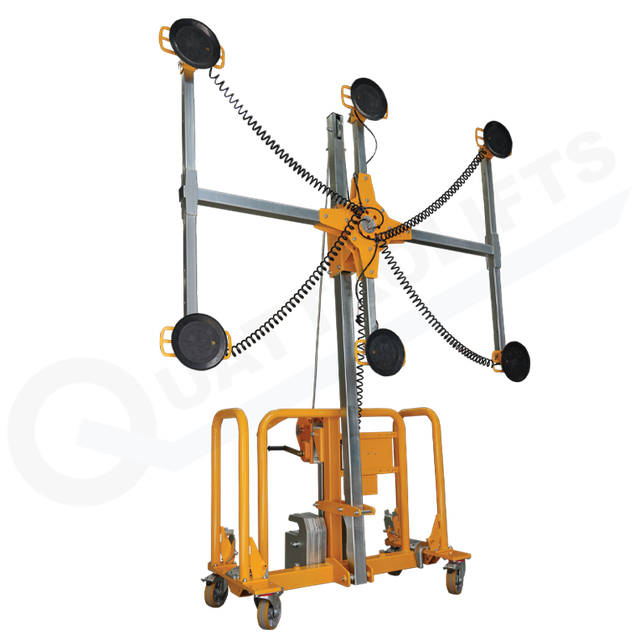
Mule
Lifting Capacity
660 lbs
Use Case
In-shop
Drive
Manual
Max Glass Size
144" x 96"
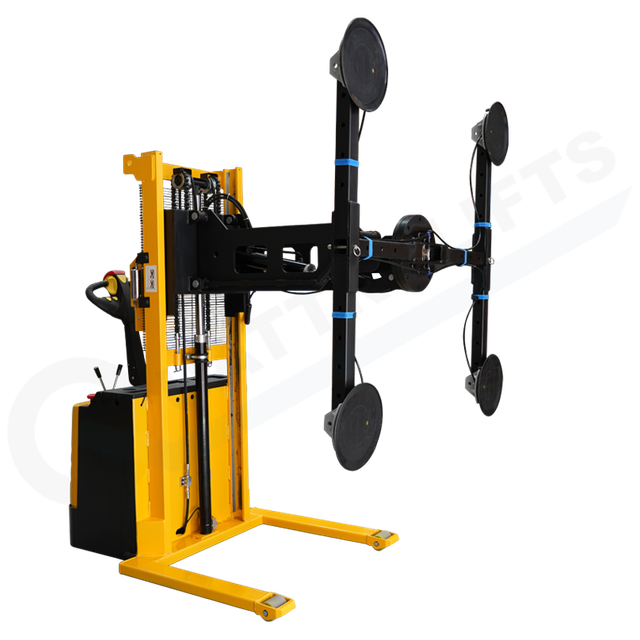
Horizon
Lifting Capacity
770 lbs
Use Case
In-shop
Drive
Self-propelled
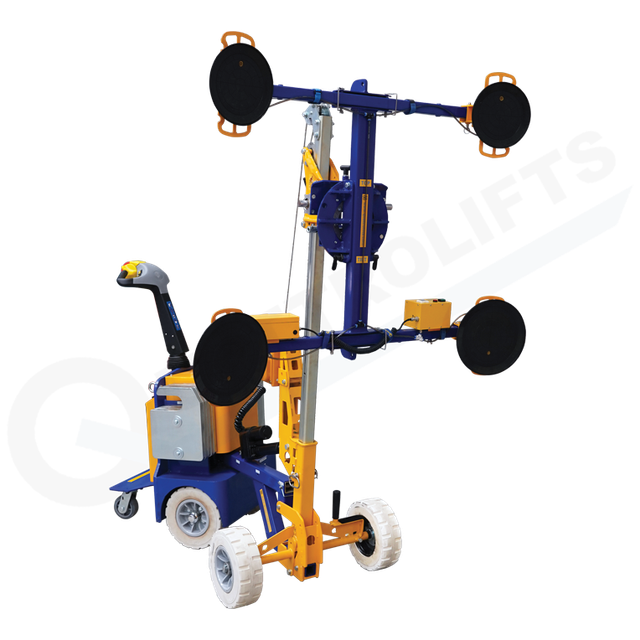
Express
Lifting Capacity
770 lbs
Use Case
On-site
Drive
Battery tug
Max Glass Size
144" x 96"
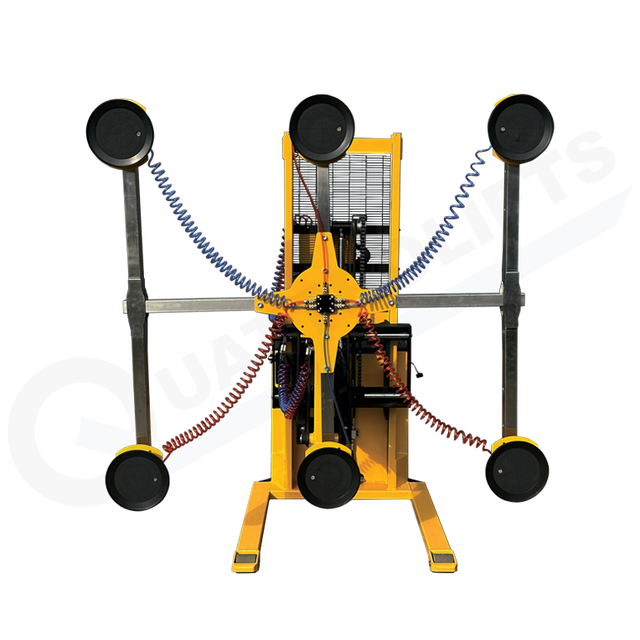
Horizon
Lifting Capacity
770 lbs
Use Case
In-shop
Drive
Self-propelled
Max Glass Size
— x 180"
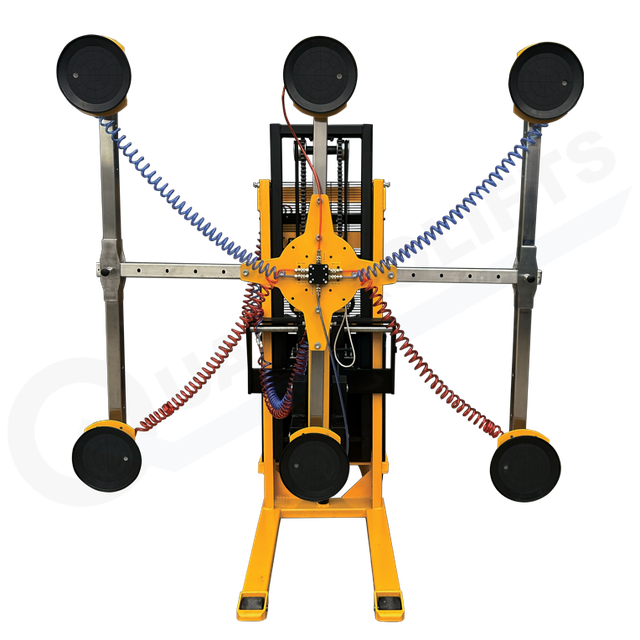
Horizon
Lifting Capacity
770 lbs
Use Case
In-shop
Drive
Manual
Max Glass Size
144" x 96"
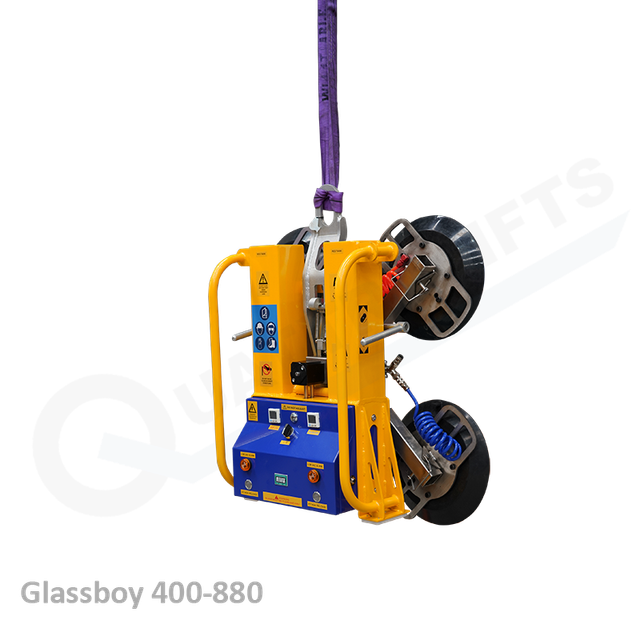
Glassboy
Lifting Capacity
880 lbs
Use Case
In-shop
Drive
Below-the-hook
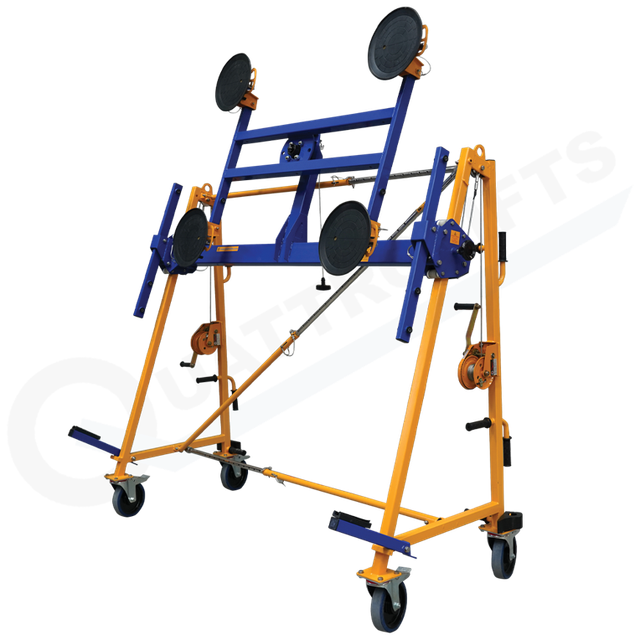
Nomad
Lifting Capacity
880 lbs
Use Case
On-site
Drive
Manual
Max Glass Size
180" x 60"
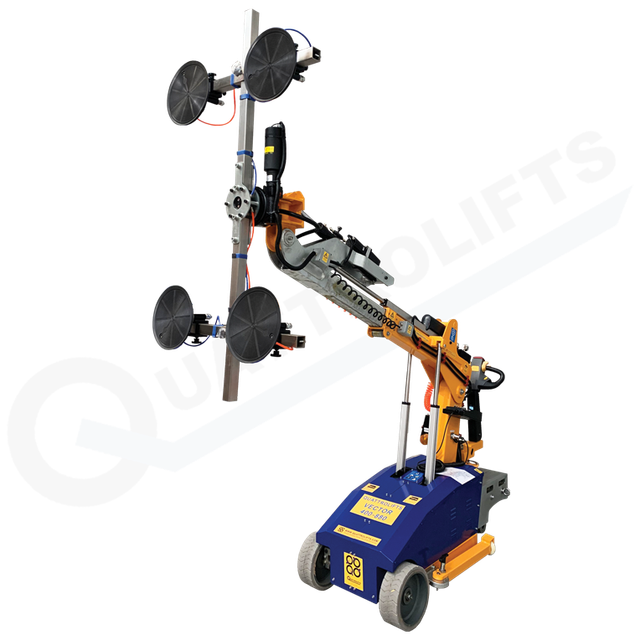
Vector
Lifting Capacity
880 lbs
Use Case
On-site
Drive
Self-propelled
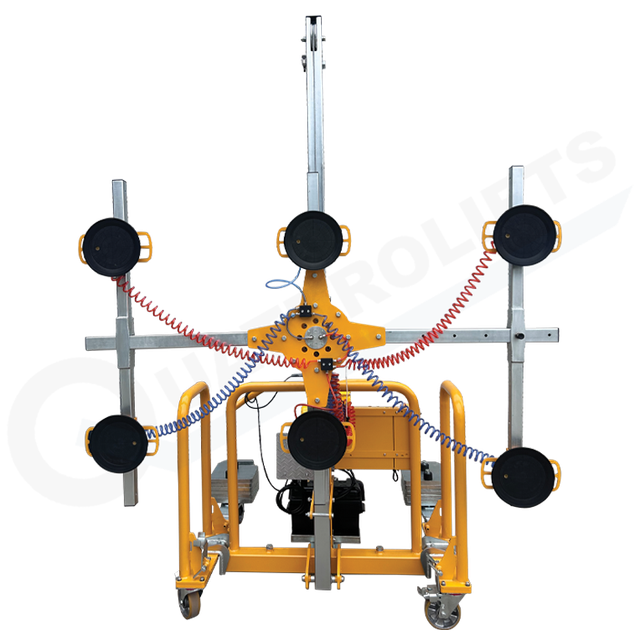
Mule
Lifting Capacity
1,100 lbs
Use Case
In-shop
Drive
Manual
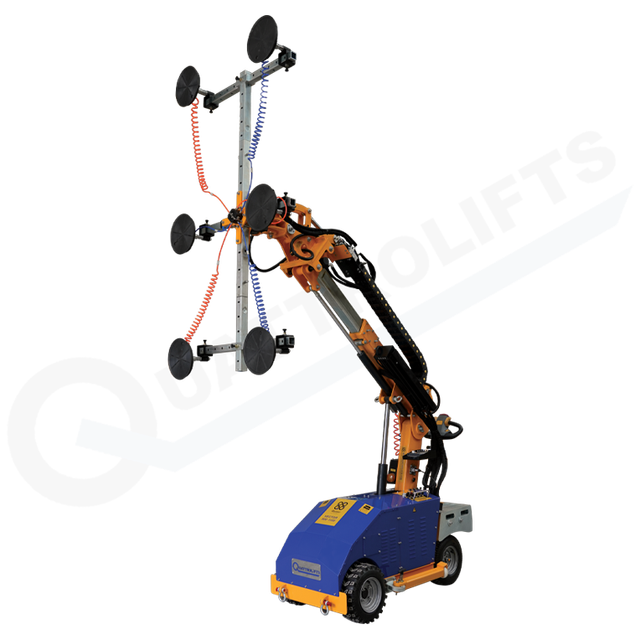
Vector
Lifting Capacity
1,100 lbs
Use Case
On-site
Drive
Self-propelled
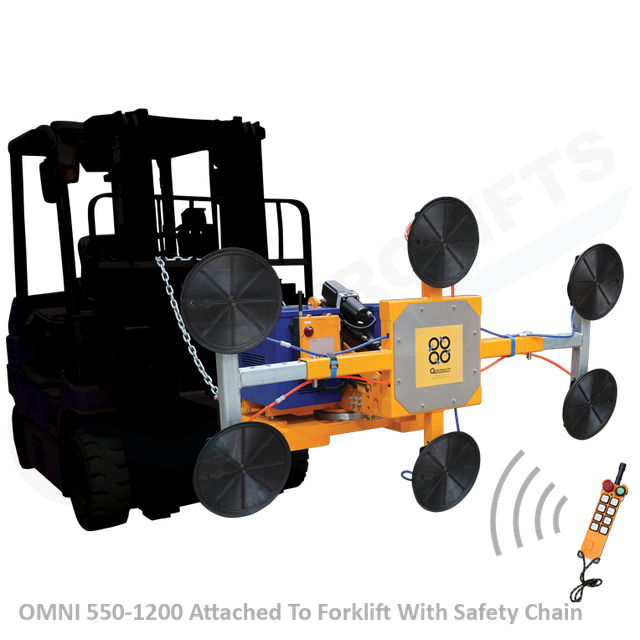
Omni
Lifting Capacity
1,200 lbs
Use Case
Forklift
Drive
Forklift-mounted
Max Glass Size
196" x 144"
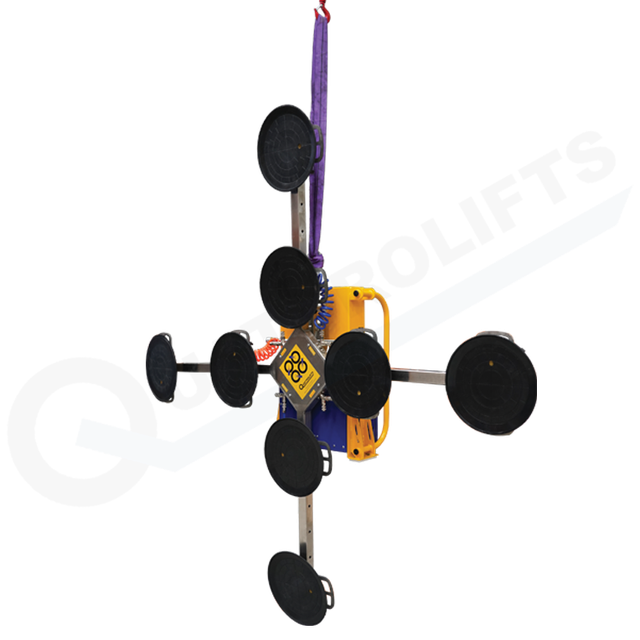
Glassboy
Lifting Capacity
1,320 lbs
Use Case
In-shop
Drive
Below-the-hook
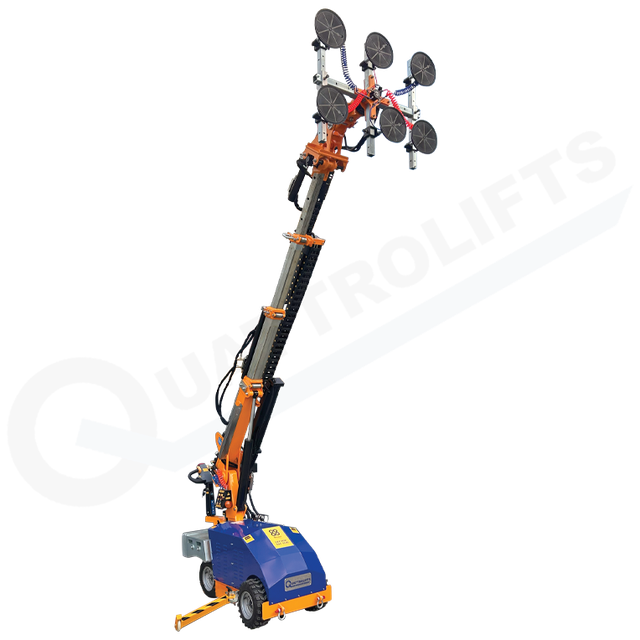
Vector
Lifting Capacity
1,320 lbs
Use Case
On-site
Drive
Self-propelled
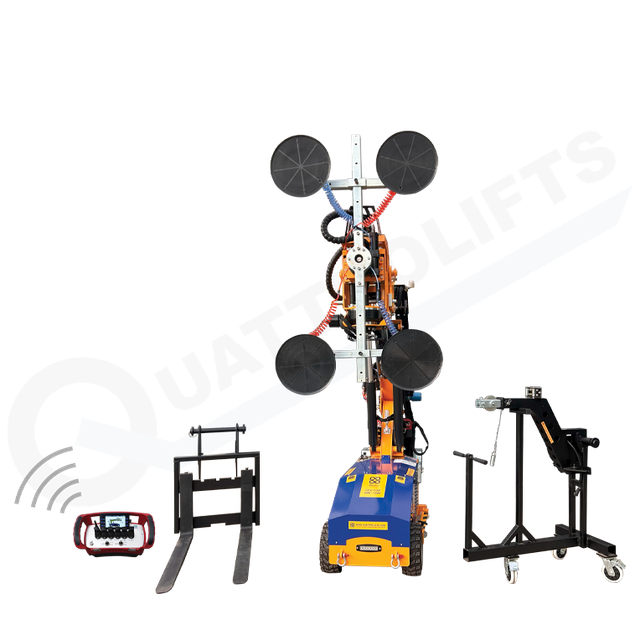
Vector
Lifting Capacity
1,320 lbs
Use Case
On-site
Drive
Self-propelled
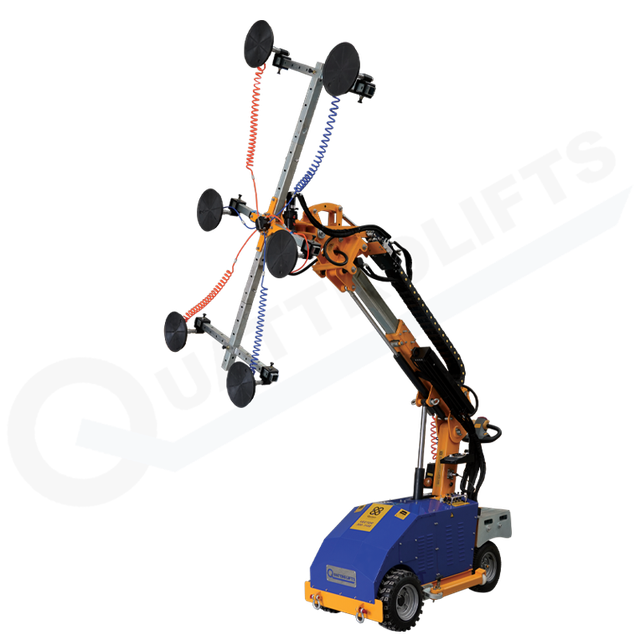
Vector
Lifting Capacity
1,320 lbs
Use Case
On-site
Drive
Self-propelled
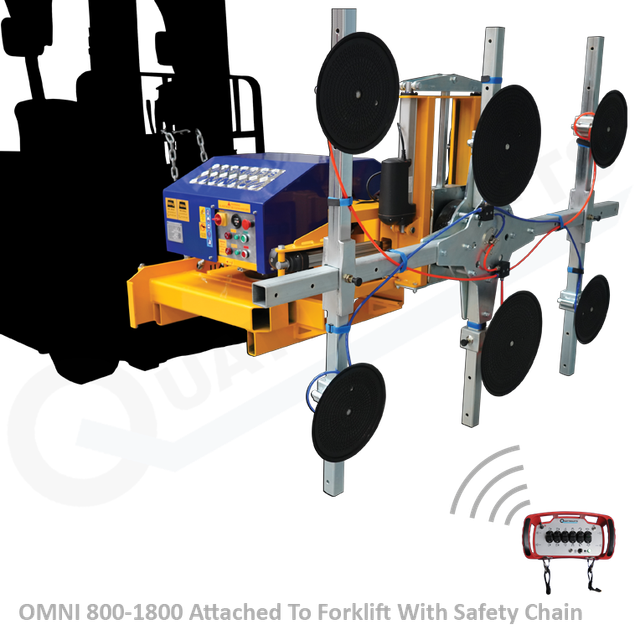
Omni
Lifting Capacity
1,800 lbs
Use Case
Forklift
Drive
Forklift-mounted
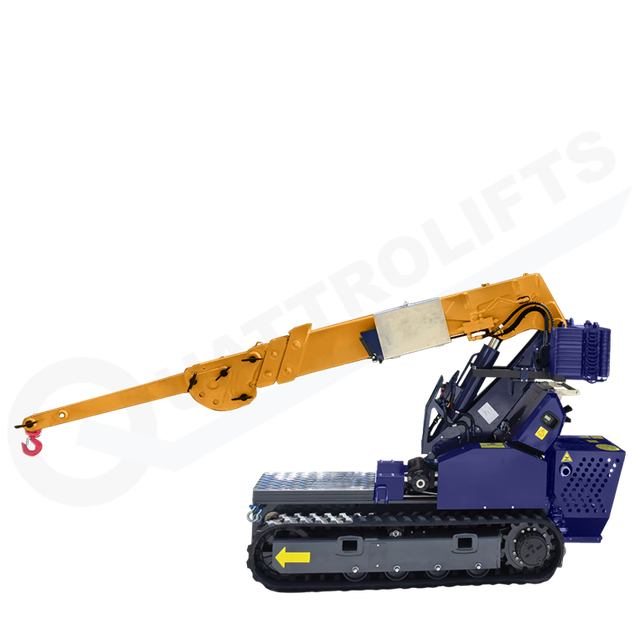
Vector
Lifting Capacity
1,800 lbs
Use Case
On-site
Drive
Tracked crawler
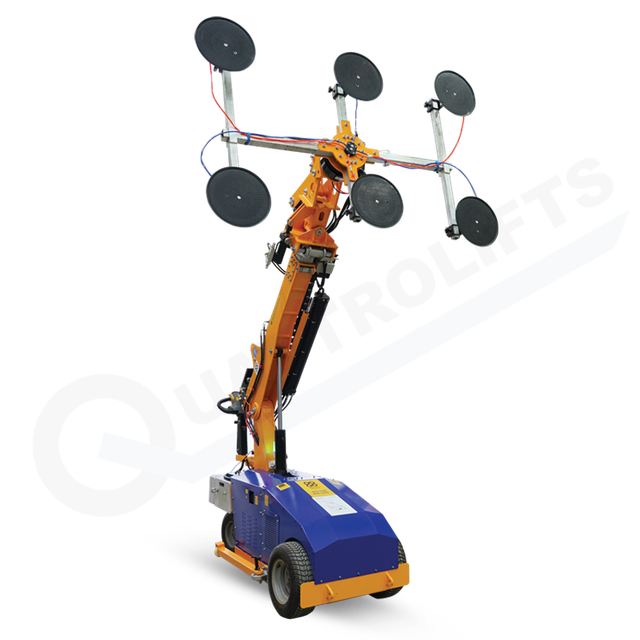
Vector
Lifting Capacity
1,800 lbs
Use Case
On-site
Drive
Self-propelled
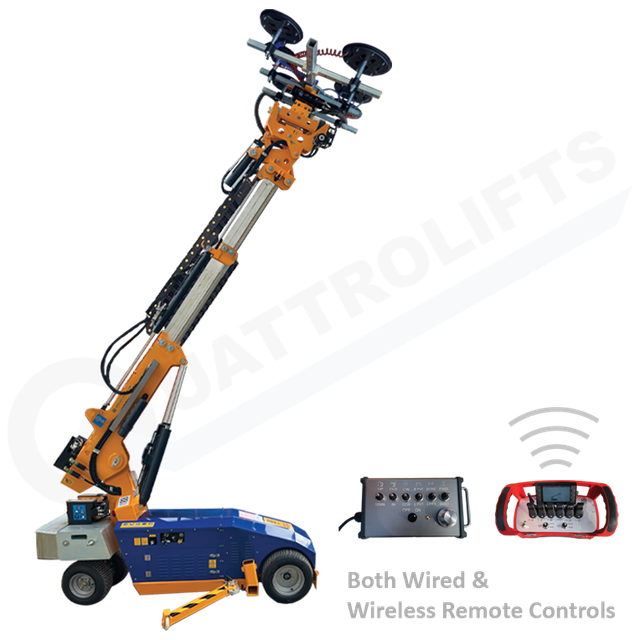
Vector
Lifting Capacity
1,800 lbs
Use Case
On-site
Drive
Self-propelled
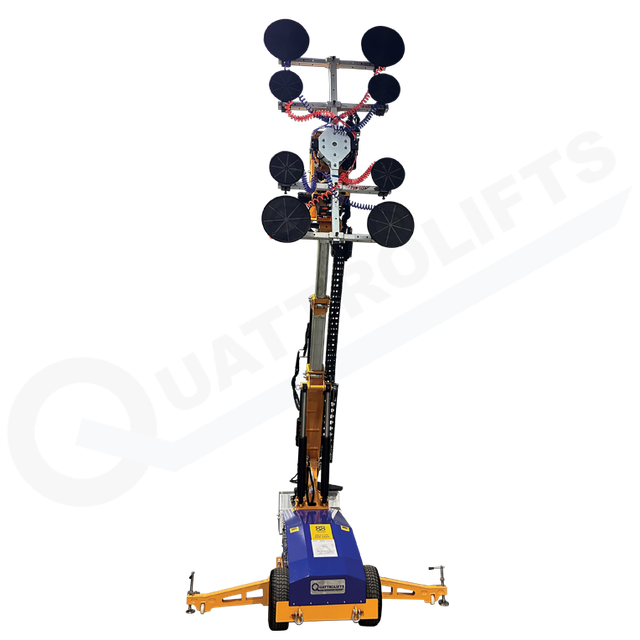
Vector
Lifting Capacity
2,200 lbs
Use Case
On-site
Drive
Self-propelled
Buying Guide
A glass vacuum lifter is a major investment — typically the single biggest piece of handling equipment a glazing crew buys. Four questions cover most of what you need to decide.
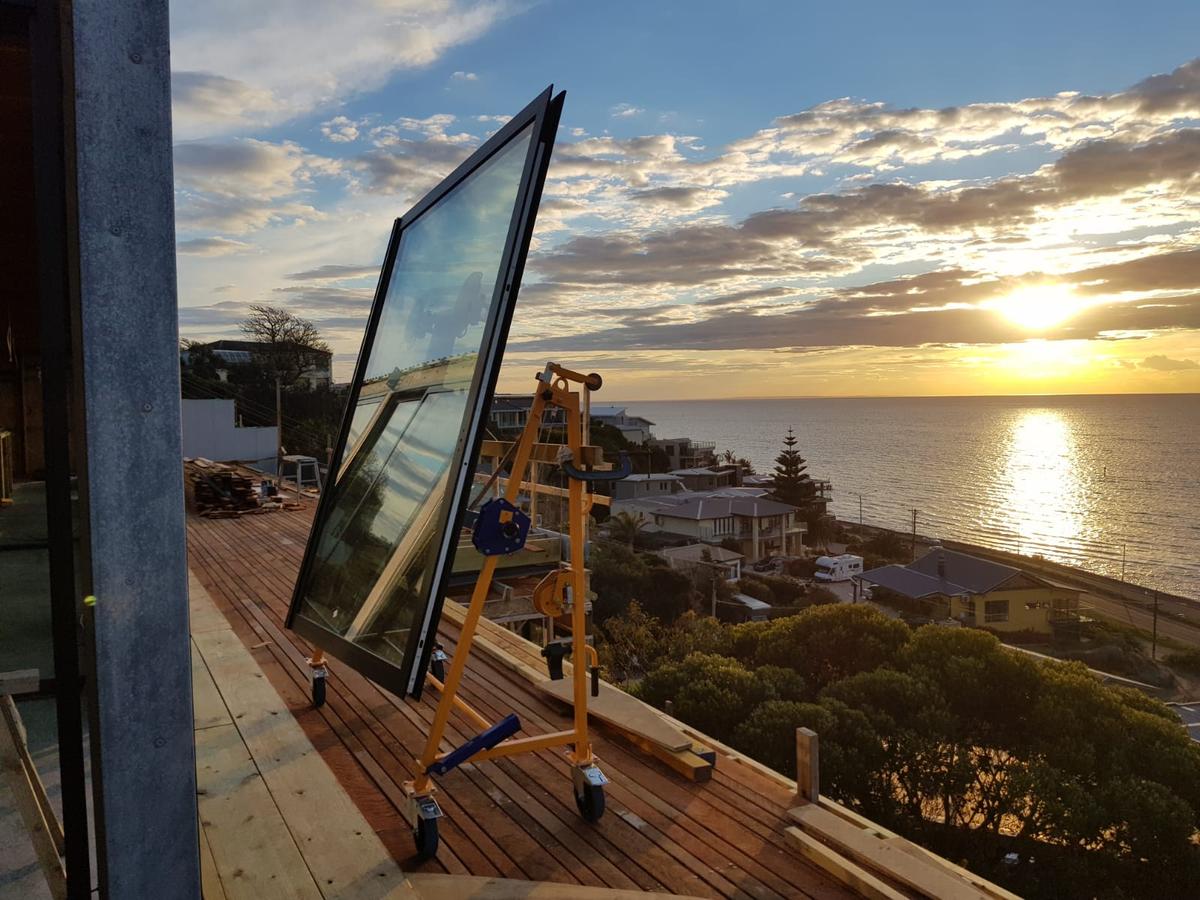
Match the machine's rated capacity to your heaviest expected pane. Compact on-site lifters handle 330–770 lbs (Express, Horizon, Nomad). Mid-range machines carry 880–1,100 lbs (Mule, Glassboy). Heavy-duty robotic systems install up to 1,800 lbs (Vector, Omni). Always build in a safety margin — glass is unforgiving, and rated capacity drops on curved, low-iron, or dirty-surface glass.
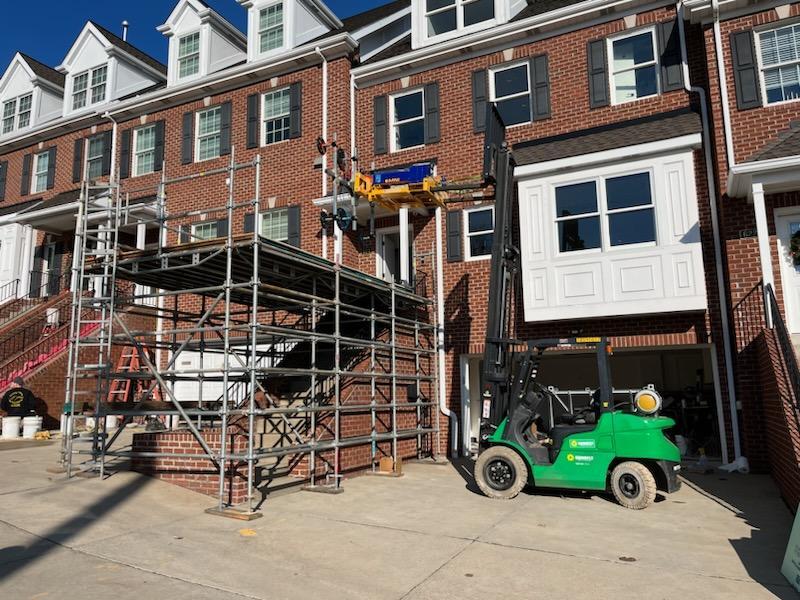
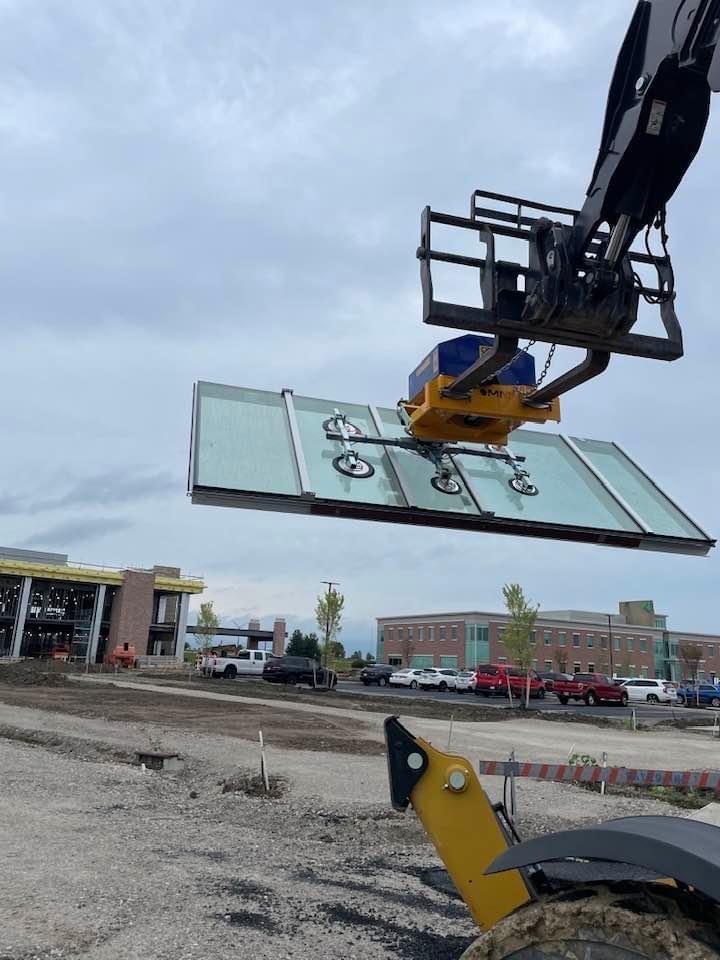
In-shop lifters (Horizon, Mule) are optimized for fixed workstations — production lines, fabrication benches, and loading docks. On-site lifters (Express, Nomad, Vector) have battery power, narrow footprints, and off-road tires so you can roll them across uneven jobsites. Forklift-mounted Omni units combine the two: they ride to site on a forklift, then handle the install.
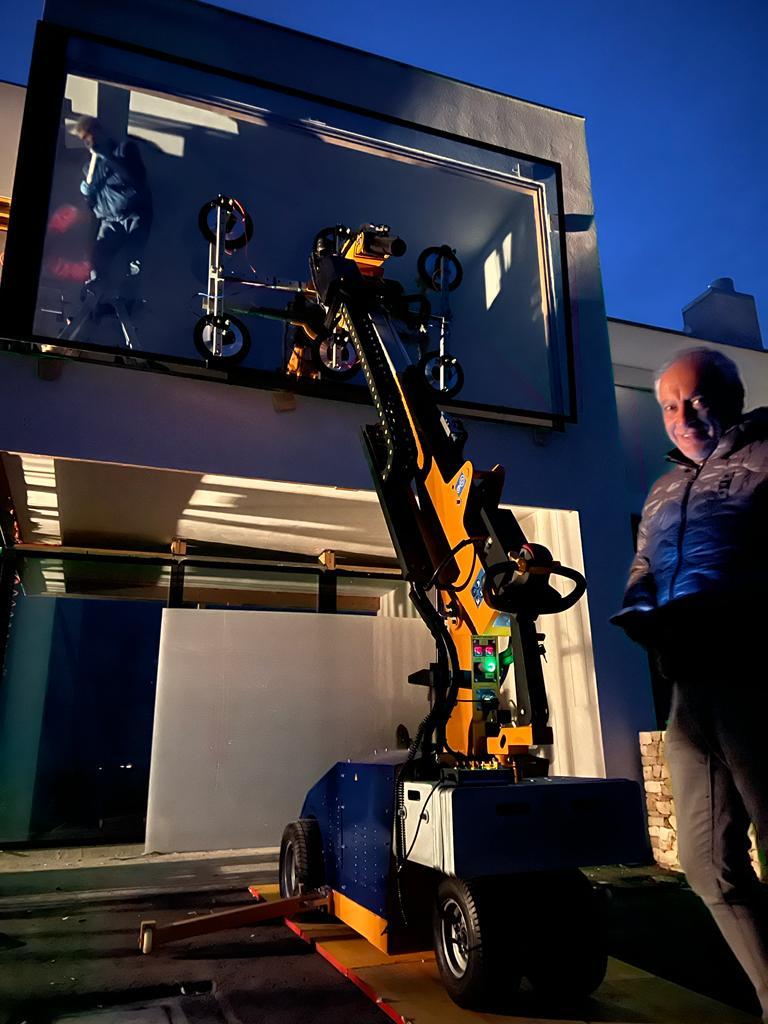
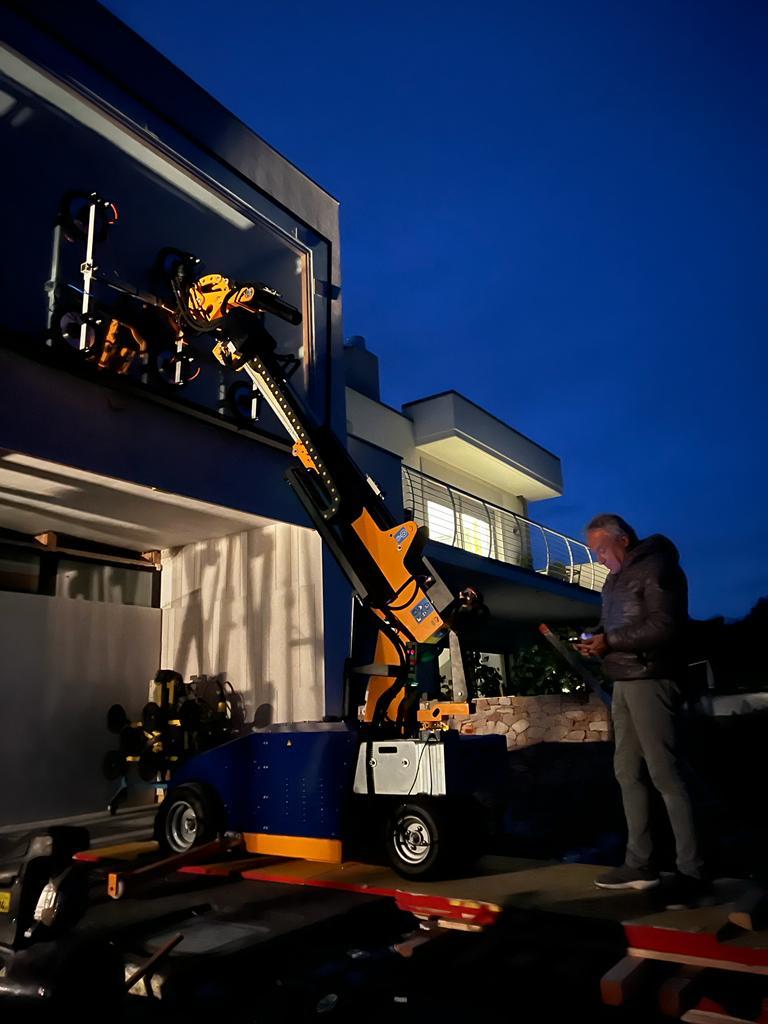
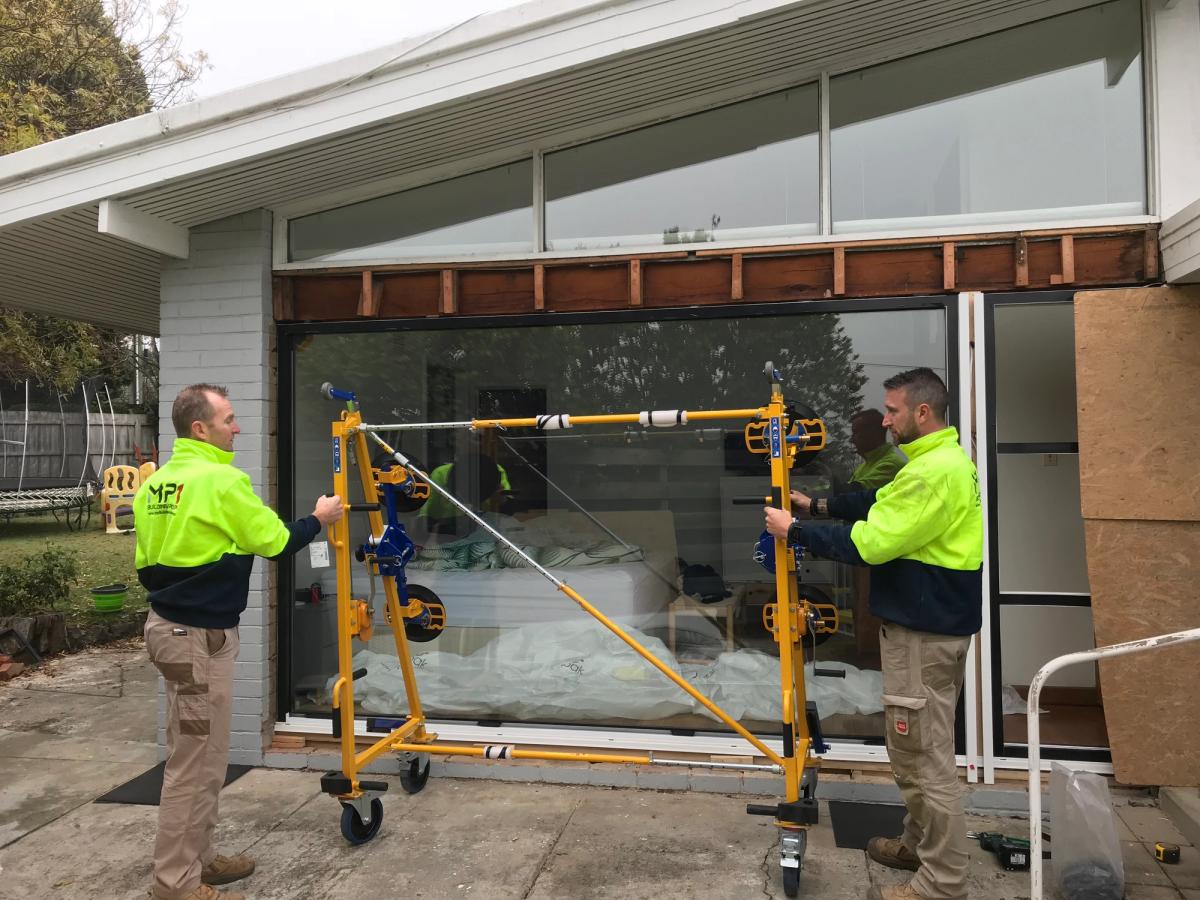
Smaller manual lifters (Express 440X, Horizon 770) are designed for two-person crews — one steering, one stabilizing. Battery-powered self-propelled machines (Vector, Nomad) are 1-man operation: one installer drives, lifts, rotates, and sets the glass alone from a wireless remote. If you're trying to shrink crew size or reduce manual-handling injury risk, self-propelled is the upgrade that pays back fastest.
Manual pumps (Express, Horizon) are simplest and cheapest — good for occasional use. Battery pumps (Mule, Glassboy) add on-demand vacuum without compressor lines. Self-propelled systems (Vector, Nomad) add battery-driven wheels, electric lift/tilt, and wireless remote — full robotic control. Want the technical deep-dive? Read how does a glass vacuum lifter work.
On Site

Side-by-Side
Put any two machines side-by-side — capacity, weight, glass size, drive type, vacuum system, and more.
FAQ
Next step
Tell us about your glass sizes, jobsite conditions, and crew — we'll recommend the right Quattrolifts machine and ship from our US warehouse in 2–6 weeks.